Affordability assessment: BHA warns of ‘severe financial implications’ after risk assessment confirmed | Race News

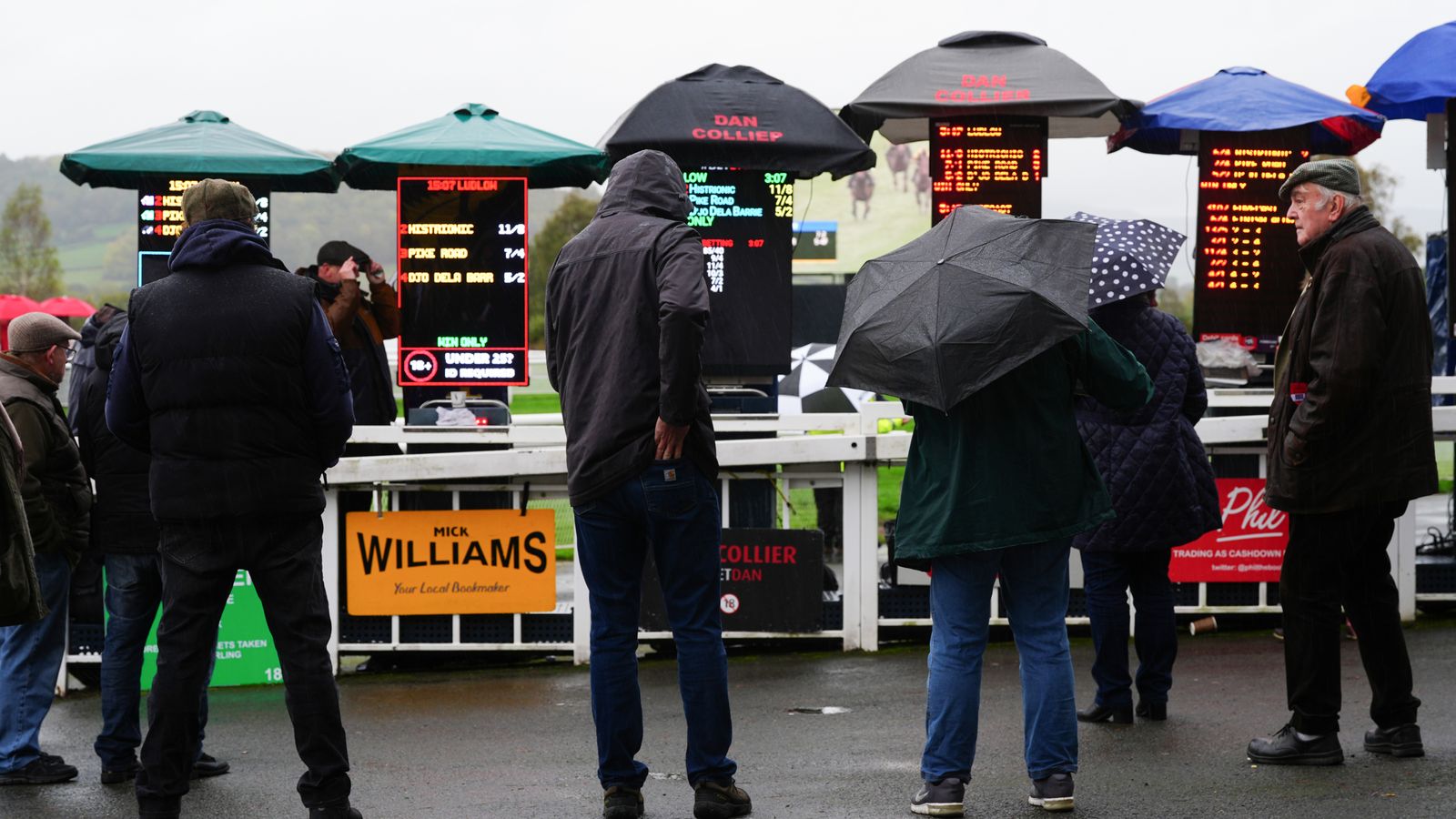
The British Horseracing Authority is “deeply disappointed” the Gambling Commission has confirmed that Financial Risk Assessments will be launched, warning that racing is facing “serious financial consequences”.
In recent months the commission has been collecting and reviewing many things such as data, stakeholder feedback and the results of testing programs before making a final decision on the implementation of what is widely known in racing circles as an affordability test.
In April more than 400 racing figures added their names to an open letter sent to Lisa Nandy, the Secretary of State for Culture, Media and Sport, calling for an end to the tests, with the racing industry and bookies suggesting that these measures would further force people to use the black market and have negative consequences for the future of the sport.
However, while there is no set date for the full launch, it has now been confirmed that a “systematic approach to identifying and supporting high-spending customers in financial difficulty” will come into effect.
Sarah Gardner, acting chief executive of the Gambling Commission, said: “We are confident that our approach, using high-quality data, will enable support for high-spending customers in financial difficulty, while reducing friction for customers who are not in financial difficulty by removing the need for unnecessary and unpopular document checks to understand financial risk.
“We have listened to feedback throughout the pilot program which has led to our decision to proceed with caution. We will work with key partners to ensure they are implemented in the most effective way for consumers and users.”
In a strong statement in response to the news, BHA chief executive Brant Dunshea called the decision “an act of self-harm on a massive scale”.
He said: “We are very disappointed that the Gambling Commission will implement affordability checks which will have a negative financial impact on British racing and the UK economy and subject racing bettors to unnecessary entry levels.
“Over the years, and through several discussions, British racing has engaged in a spirit of interest to advise the Government in good faith on the impact this policy will have on our sport and its fans.
“This concern is shared by the betting industry, politicians, campaigners and policy makers, who have warned of the damaging unintended consequences for two major industries worth billions of pounds to the UK economy and employing more than 200,000 people across Britain. We understand that these checks have been proven by the Gambling Commission pilot promising that the real minister will not succeed.
“Rather than protecting consumers, these checks will have the opposite effect: driving more customers into the illegal market – putting them at greater risk of gambling-related harm – and starving the Treasury of much-needed tax money.
“Anecdotal evidence from around the world makes it clear that this decision is one of self-destruction on a massive scale that will have a devastating economic and social impact.”
The statement went on to say that this decision is “a clear violation of the work done by the Ministry of Culture, Media and Sports” and that it is “the latest in a series of incidents that show how little DCMS has done for this country’s second favorite sport”.
The BHA added that it will now seek to work with the DCMS, the Gambling Commission and the betting industry to find ways to mitigate the worst impacts of the policy.
Estimates from the Betting and Gaming Council recently revealed that up to 120,000 people could be asked to provide documents to verify their identity, but the Gambling Commission said “the majority of customers will never need a Financial Risk Assessment”.
The first phase of the rollout will see checks made to major operators when a £5,000 net deposit is met in a 24-hour period.
Once fully implemented, the test will be applied to customers aged 25 or over with a total deposit of more than £1,000 in a 24-hour period or £3,000 in a 90-day period. For under-25s, these limits will be reduced to £750 in 24 hours or £2,000 in 90 days.
Gambling Minister Baroness Twycross said: “I welcome the Gambling Commission’s decision to introduce a more rigorous, phased approach to financial risk assessment. Attention must now turn to effective implementation, so that financial risk assessment works for consumers, gambling operators and the wider ecosystem.
“An appropriate balance must be struck so that testing protects those in financial difficulty from the risk of gambling-related harm but does not create undue burdens on the industry or consumers.”

/https%3A%2F%2Fsportsmole-media-prod.s3.gra.io.cloud.ovh.net%2Fuploads%2F2026%2F04%2Fimago1075785696-69f1c41377d96073966575.jpg "Preview: Indonesia All-Stars vs Aston Villa – prediction, team news, lineup")

/https%3A%2F%2Fsportsmole-media-prod.s3.gra.io.cloud.ovh.net%2Fuploads%2F2026%2F03%2Fseabra-69cc295b3aa3e223592802.jpg "Preview: Coritiba vs Cruzeiro – prediction, team news, schedule")