‘Everyone is focused on football’: Indian league wants to ride World Cup wave | Soccer

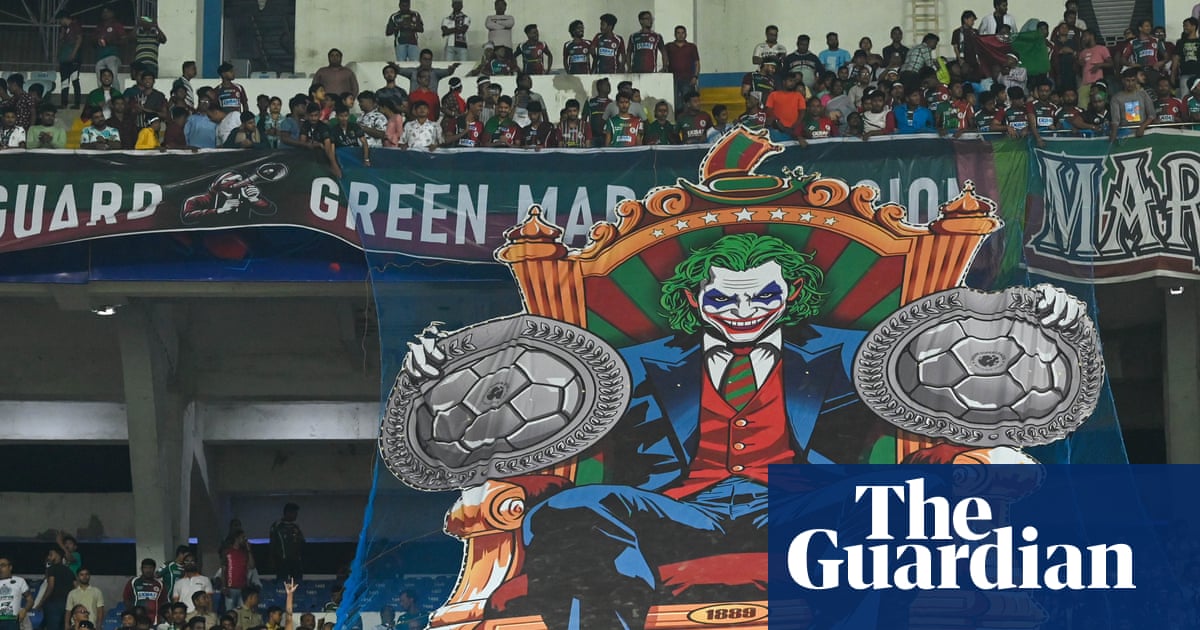
Iua was not in the World Cup, but this tournament attracted a lot of interest in this country. This has happened before but now comes important, and necessary, changes to the home game that could turn a four-way romance into an eternal passion.
After more than a year of negative headlines about the Indian Super League, the country’s top division will begin on September 4. “The timing couldn’t have been better,” said Ravi Puskur, chief executive of the ISL’s FC Goa last season that won the Super Cup, India’s premier league competition. “The World Cup games that were not good in terms of viewing times have attracted a lot of interest and support from the Indian market. It does something that the home team alone cannot do; it puts football at the forefront of the conversation.”
Puskur and other managers of the 13 teams in the ISL, which started in 2014, are determined to ride this wave. “Our job now is to give the fans a reason to transfer that joy to their home club,” he said.
An early start would be good given the five-month delay of the 2025-26 season after the All India Football Federation failed to find a commercial partner when its 15-year masters rights deal with Reliance expired. That led the clubs to stop working, the players to leave and doubt whether the ISL has a future. In the end, there was a shortened campaign of 13 games.
The new season is set to run for eight months with a full schedule of 26 home and away games, and that’s not the only reason for optimism. In the organizational change, the 14 clubs have been given the power to control the commercial, marketing and sponsorship side of things, while the AIFF (which hopes to change its name to the Bharat Football Federation) retains administrative oversight and governance. In short, the teams have a say in their future off the field as well as on it.
“It’s about starting over and building on this,” said Shaji Prabhakaran, former general secretary of the AIFF. “The good thing is that they solved everything early and, at the moment, everyone is focused on football, so finding broadcasters and investing should be easy.”
Puskur is involved in negotiating this new arrangement and is ready to make full use of it. “If you don’t waste your firepower, you can focus on building teams, fan experience and marketing partnerships,” he said.
“That’s the difference this year. The old model meant the clubs had very little say in how the league was put together and marketed. Now the clubs own the broadcasting rights and direct sponsorship. It puts the incentive to increase the commercial value of the league in the hands of the people who invested heavily in it to grow.”
It took 12 years to get here. In 2014, the eight founding clubs of the ISL had famous players like Nicolas Anelka and Alessandro Del Piero and coaches like Peter Reid and Zico, who attracted huge crowds. The stars and, to some extent, the fans are gone and this is something to reboot. The owners are used to losing money but the hope is that the league seems to be on the right track.
“Clubs have to think long-term and look ahead four years and more,” Prabhakaran said. “They have to strengthen all aspects. It can’t just be about the first team. They have to ask where they want to be in 10 years.”
after the promotion of the newsletter
Finding the right streaming partner is important. “The starting price will not be high, but the World Cup helps,” said Prabhakaran. “They need a stable broadcaster who is ready to build a place and think about making money in three or four years.”
Rebuilding public confidence after last season is a priority for Puskur. “Broadcasters, sponsors and fans all sacrifice a lot if they hope that the calendar will not go under them.” He also calls for real investment in youth and local talent to expand the domestic pool. “If the ISL teams can hold their own in the AFC [Asian Football Confederation] championships, that changes the way the entire league is perceived. “
If everything comes together next summer, India may join the global team. “The World Cup has given us all the momentum,” said Prabhakaran, “and there is an obvious question: ‘Why is India not there?’ The next question should be: ‘What are we doing to change that?’ So we have to support the clubs and leagues and give these millions of football talks that are happening somewhere now that the World Cup is over.”